
Best online selling solutions
Edu blog
IdoBooking
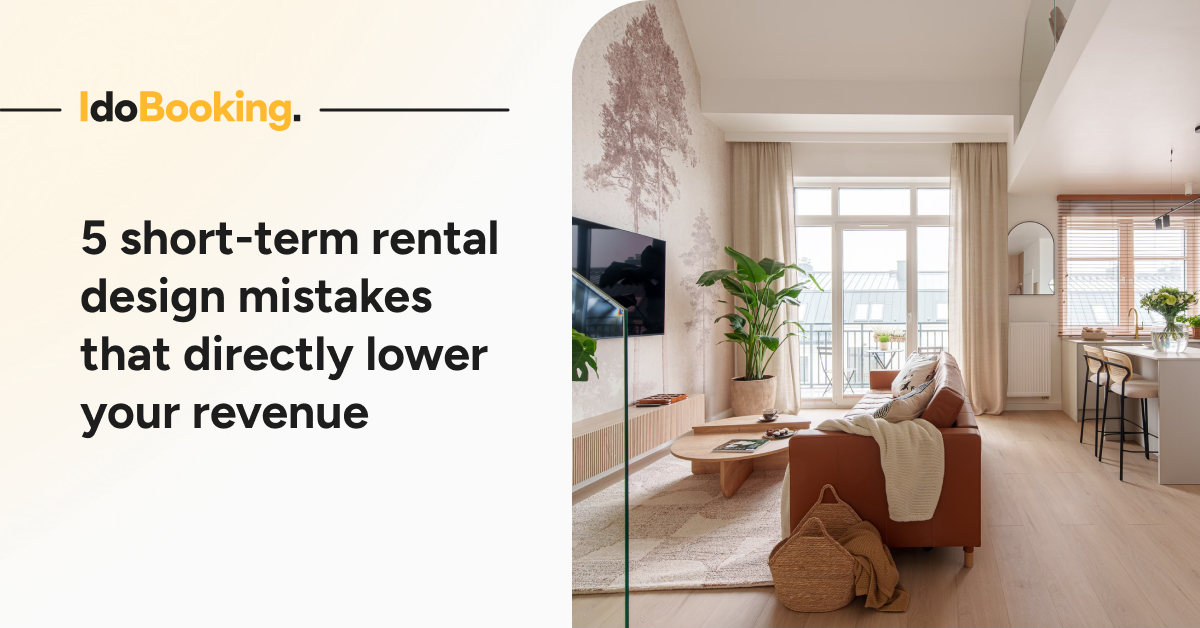
5 short-term rental design mistakes that directly lower your revenue
Short-term rental has changed more than many owners would like to admit. Just a few years ago, a good location and a properly furnished interior were enough. Today, it’s not.
The market has become a competition for attention — fought on a smartphone screen, in search results, among dozens of nearly identical listings. A guest browsing Booking, Airbnb, or other booking platforms doesn’t analyze. They react.
- First, they see the photo.
- Then — if something stops them — they read the title.
- Only at the end do they check the details.
Very often, the decision is made before they see the price, before they read the description, before they check reviews. This moment determines the listing’s click-through rate, occupancy, and real financial performance. Photography is no longer just documentation of an interior. It is a sales tool. It sells not square meters or layout, but a promise of experience: rest, comfort, calm, quality. Guests book a place where they imagine themselves — not just accommodation.
That is why apartment styling in short-term rental is not decoration. It is a strategy that directly affects the rate, number of bookings, length of stays, and reviews. And consequently — the listing’s position in booking algorithms.
From my practice, many properties lose potential bookings not because they are bad. They lose them because they make the same recurring mistakes — often invisible to owners, but very clear to guests. In the following sections, I will show the most common design mistakes that reduce sales performance on booking platforms — and why fixing them directly impacts numbers, not just aesthetics.
Mistake 1: An interior that was never designed for short-term rental
The first mistake usually starts very innocently. The owner takes an apartment designed “for living” and only slightly “adapts” it for short-term rental. The problem is that a rental apartment is a completely different product than a private home.
Guests use the space differently. They arrive with luggage, often with a laptop, sometimes for several or a dozen days. Their expectations are direct and less forgiving: it must be comfortable, bright, intuitive, and clean. They don’t want to guess where to work, where to relax, where to put their things, or how to “read” the space.
Airbnb itself confirms this trend, openly talking about longer stays and the “live and work anywhere” model. Guests increasingly use apartments like temporary homes, not just places to sleep. This fundamentally changes interior design. Meanwhile, apartments originally designed for private living often fail to communicate their function — both in photos and in real use. Zones blend together, there is no logical layout, and the living room may be “pretty” but offers no real choice: no comfortable work area and no true relaxation zone.
On booking platforms, this problem appears instantly. If the first frame doesn’t clearly show how the space is used, the guest scrolls. A short-term rental apartment must be visually readable at first glance.
Mistake 2: Treating functionality as an add-on, not the foundation
This mistake almost always follows the first one. Since the apartment wasn’t designed as a rental product, functionality becomes an afterthought. Meanwhile, the best-performing rentals offer multiple usage scenarios at once.
Guests want options: a workspace, a relaxation area, a shared space — with clear and intuitive navigation. Small details matter: a comfortable table, a chair suitable for working, good lighting, power outlets, space to put things down.
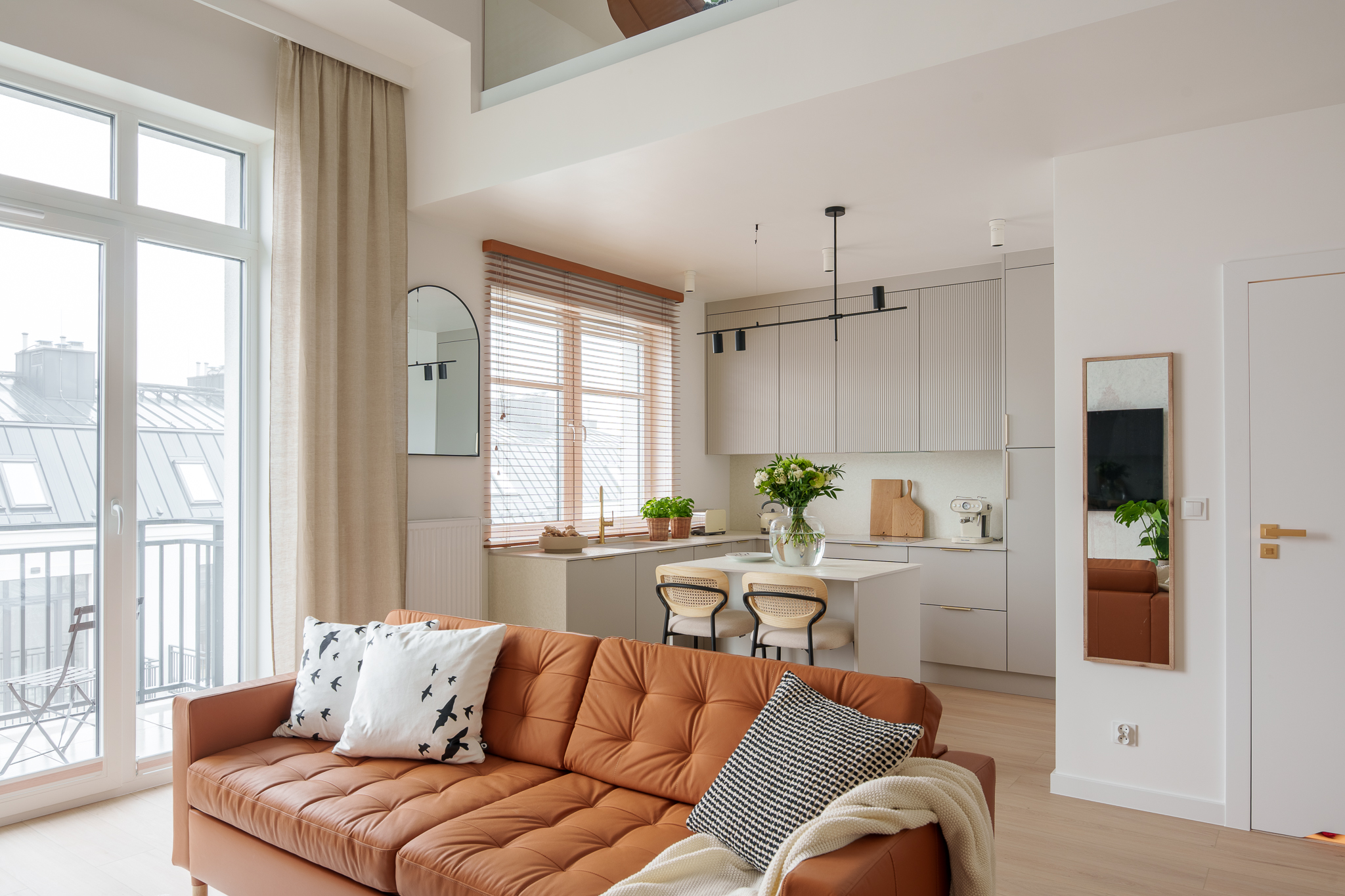
Market data clearly shows guests increasingly work remotely, stay longer, and expect comfort, not just a bed. Listings that show more than just a bed and table get saved, booked more often, and receive better reviews.
Research shows that even what appears in the background of a photo affects bookings. Photos highlighting living areas increased booking rates, while bedrooms in the first frame reduced them. Guests are looking for a space to live, not just sleep.
Mistake 3: Lack of uniqueness — anonymity that costs money
The third mistake is subtle but costly: lack of uniqueness. Owners often choose safe neutrality, assuming it will appeal to everyone. In reality, the listing becomes forgettable. And memorability is currency on booking platforms.
Guests browse dozens or hundreds of listings. They compare emotions, not square meters. If they can’t remember what made your place special, the listing lost before price was even considered.
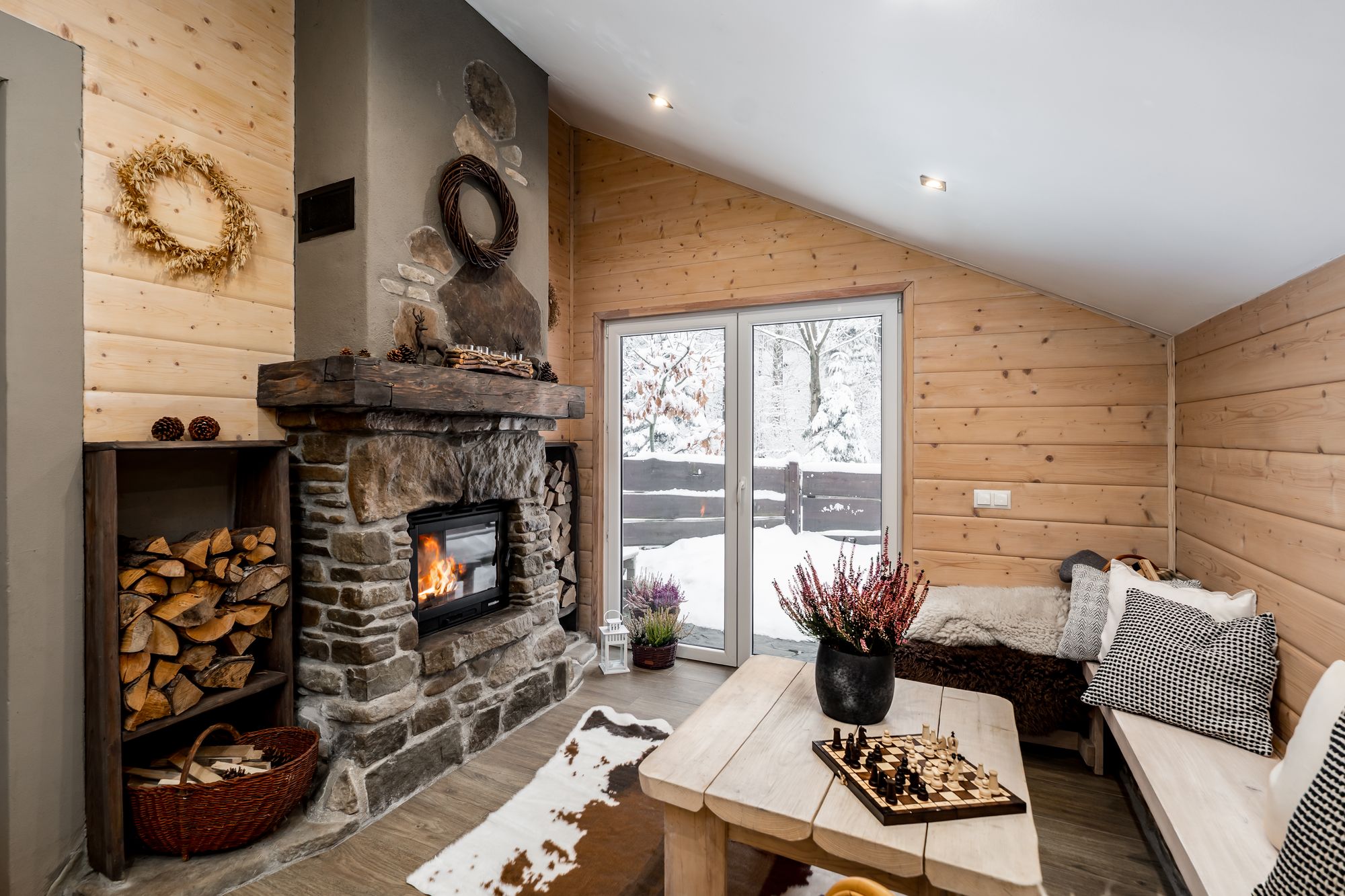
Winning interiors are recognizable. Not loud or trendy, but coherent. Sometimes one strong element is enough: a reading nook, a library, a mezzanine, soft lighting, natural wood detail, or a consistent color palette. That one motif gives the apartment identity.
Mistake 4: Saving on quality and durability in high-use spaces
This is one of the most expensive mistakes. Saving on quality quickly stops being saving. Short-term rental means heavy usage. Furniture, mattresses, sofas, tables, and textiles wear out fast.
Guests may not remember wall color, but they will remember sleep comfort. A good mattress is not a luxury — it is a foundation of good reviews. Cheap mattresses deform quickly and guests notice.
The same applies to furniture and textiles. Cheap materials lose appearance after a few washes, turning gray and worn. Textiles strongly influence first impressions and perceived cleanliness.
Short-term thinking (“buy cheap now, replace later”) results in double costs, downtime, and rating drops. Quality is an operational strategy.
Mistake 5: Lack of consistency over time
The last mistake appears after a good start. The apartment looks great, bookings come in — and then the standard slowly declines.
Random decor, worn textiles, small neglects accumulate. Guests are extremely sensitive to inconsistency between photos and reality. One disappointment can lower ratings, which immediately affects visibility and pricing power.
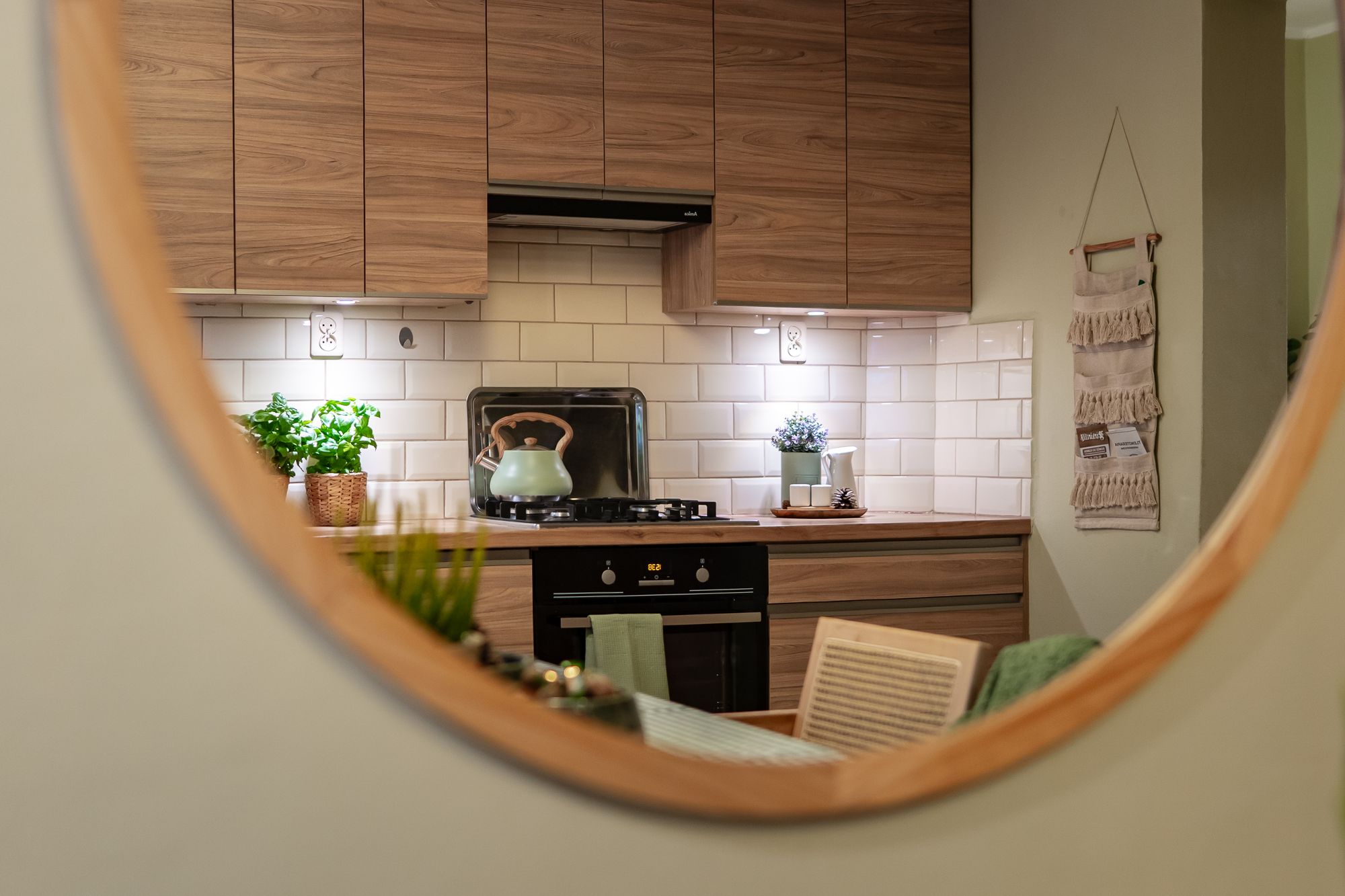
Consistency is management strategy, not perfectionism. It determines whether your apartment maintains competitive advantage or slowly loses it.
Summary
Short-term rental is not a lottery. It’s a business where guest experience decides results — from the first photo click to the review after checkout.
Interior styling is a sales tool. Photos drive clicks, clicks drive bookings, bookings build visibility and pricing power.
Many properties lose revenue not because they are bad, but because they are not designed and presented strategically. Improving results often doesn’t require renovation — just a shift in perspective.
My name is Ewelina Matyjasik-Lewandowska

Since 2017, I have helped owners and investors prepare properties for sale and short-term rental so their listings are clear, distinctive, and effective on booking platforms.
If you are preparing a new property or feel your current listing isn’t reaching its full potential, let’s turn your interior into a real sales tool.
Contact me ❯
Related content